
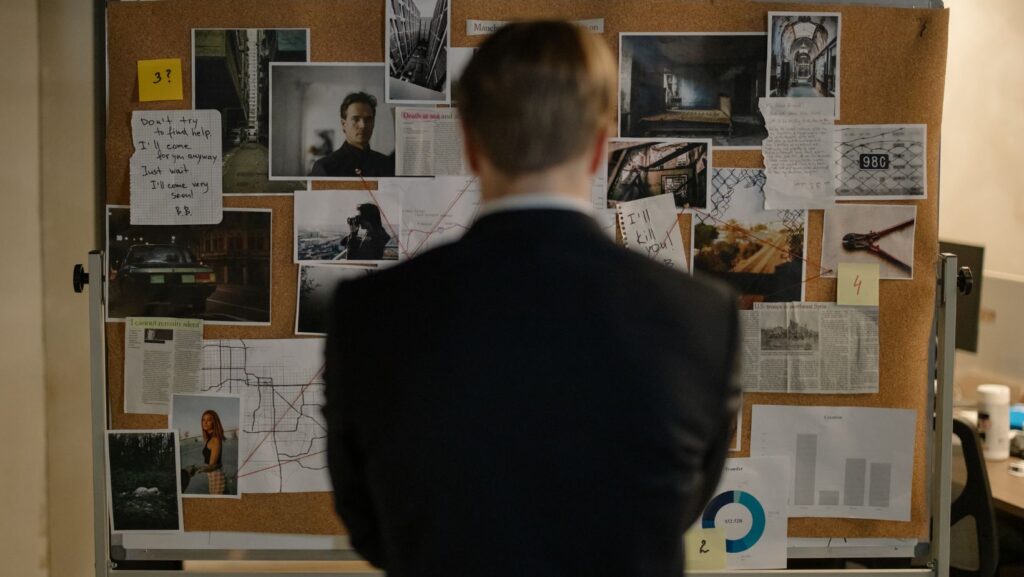
You do not walk into an escape room just to solve puzzles. You walk into an escape room to feel something. You want pressure, surprise, teamwork, and that rush that hits when a lock clicks open. A good escape room pulls you out of your normal routine and drops you into a story where your choices matter. That mix is hard to beat. Few activities give you the same level of focus, excitement, and shared energy in such a short amount of time.
Here are the reasons why I love escape rooms:
Escape Rooms Feel Real in a Way Other Games Do Not
A video game can be exciting, but a real room around you changes everything. Your hands touch the objects. Your team hears the same sounds. Your eyes scan the walls for hidden details. Your body is part of the game, not just your brain. That physical connection makes the experience stronger from the first minute.
In a great escape room, I’m never just a spectator watching a story unfold. I am inside the story. I’m the detective hunting for clues, the survivor escaping the dark, or the scientist racing to stop a disaster.
Having a clear role gives me instant buy-in. Within minutes, I’ve completely forgotten about my phone, my errands, and my job because the room has given me a mission that feels real.
That kind of full attention is rare. People spend a lot of time half-focused. An escape room pushes you into total focus. Total focus feels good, which is one reason people want to come back.
Every Puzzle Gives You a Fast Reward
I like how escape rooms are built on small wins. You find a clue. You spot a pattern. You open a box. You connect one mystery to another. Every step gives your brain a quick reward. Those quick rewards keep you moving and keep your team engaged.
The reward cycle matters.
A long movie asks you to sit back and wait. A restaurant asks you to relax. An escape room asks you to act, notice, test, and react. That active loop keeps people locked in. Even when a group gets stuck, the room usually offers just enough progress to keep frustration from taking over.
I can always feel the difference when a room is crafted with intention. A good room does not rely on random guessing. A good room uses clues, sequence, and payoff. That structure gives players a sense that every effort counts. Players remember that feeling and chase it again..
The Clock Changes Your Behavior
Time pressure makes escape rooms much more intense than standard puzzle games. A crossword puzzle can wait. A jigsaw puzzle can sit on a table all week. An escape room demands action right now. The countdown changes the mood of the entire experience.
With the clock running, every choice I make carries more weight.
A wrong turn doesn’t just frustrate me, it costs me minutes. A smart breakthrough doesn’t just feel good, it saves me. I feel the weight of communication, knowing that a delay could hurt the entire team. I’m not just solving a puzzle anymore, I’m in a high-stakes race where my friends are depending on me.
The countdown is what keeps the experience from ever going flat. Even during the quieter moments, there’s an underlying tension because I know the time is slipping away. That constant motion gives the room a sense of momentum that carries me from the first lock all the way to the final seconds.
Escape Rooms Turn Teamwork into Part of the Game
Many games say they are social. But escape rooms prove it. Every room works better when people share ideas, speak clearly, and pay attention to each other. One person sees a symbol. Another person finds a key. A third person notices the connection. The room rewards groups that work as a unit.
That design creates a special kind of fun. You do not just remember the room. You remember who cracked the code, who found the hidden door, and who kept everyone calm. Shared wins stick with people longer than solo wins. That is why escape rooms work for birthdays, date nights, family outings, and team events.
Escape rooms also reveal natural roles inside a group:
- The leader who keeps everyone moving
- The detail finder who spots hidden clues
- The logic player who sees patterns
- The communicator who ties ideas together
- The calm player who helps when stress rises
I enjoy discovering those roles. I also enjoy seeing friends and coworkers in a new light. That social layer adds replay value that many forms of entertainment cannot match.
Strong Themes Make People Want More
I’ve learned that theme matters more than most people realize. A plain room with a few locks might be fun for an hour, but a room with a fully realized setting, complete with professional lighting, immersive sound, and a gripping story, stays in my head for weeks. To me, the best rooms feel like a perfect marriage of live theater, set design, and gaming.
The theme is usually what dictates my mood for the night.
Sometimes the group is craving the adrenaline of a horror room, other times, we want a grand adventure or a deep sci-fi mystery. I’ve noticed that after I finish a room with a strong theme, I’m immediately itching to try a completely different one. A haunted house creates a lingering sense of dread, while a heist for a stolen artifact creates a fast-paced, high-energy tension. The mechanics might feel familiar, but the emotional journey changes every time.
I really felt this cinematic quality during my recent trip to an escape room in Hollywood, LA, where the production value felt like stepping onto a professional film set. It’s no wonder people associate the Los Angeles scene with these big themes and story-driven experiences; when the setting is that polished, it stops being a game and starts feeling like a movie that I’m actually starring in.
Escape Rooms Give Adults a Reason to Play Again
Adults do not always get many chances to play in a real, physical way. Work, family schedules, and routine can make leisure time feel passive. People watch shows. People scroll feeds. People go through the same weekend habits. Escape rooms break that pattern.
An escape room gives adults permission to be curious, loud, playful, and competitive without feeling childish. That’s important. Play is not just for kids. Adults need activities that wake up the mind and create real interaction. Escape rooms do that without requiring athletic skill or special training.
Escape rooms also feel earned. When your group escapes, the result feels personal. You did not just buy a ticket and consume a product. You made decisions, solved problems, and created the outcome together. That sense of earned success makes the memory stronger.
Variety Keeps the Experience Fresh
Addictive experiences usually fade when they become predictable. One night I’m focused on hunting for hidden objects, and the next I’m deep into complex code-breaking.
I’ve been in rooms that use everything from sound and light to magnets and physical movement, even games where my team was split up into different cells. The core concept stays the same, but the details change so much that I never know exactly what to expect.
That variety shows up across companies too. In Los Angeles, 60out Escape Rooms operates multiple locations and promotes more than 20 immersive games across the area, including a Hollywood location, which shows how one company can keep repeat players interested by offering different stories and room styles.
A strong escape room market rewards creativity. Operators need fresh ideas, cleaner set design, smoother tech, and smarter puzzle flow. Players benefit from that competition because each new room has a reason to stand out.
Social Sharing Keeps the Cycle Going
Escape rooms are easy to talk about after the game ends. My team and I start retelling the best moments before we’ve even left the building. We laugh about our dumbest mistakes and playfully argue about that one clue someone missed, the one that was staring us right in the face the whole time. For me, that post-game breakdown is just as much a part of the “product” as the room itself.
This social element is usually how new players are recruited. A friend says, “You have to try this room.” A coworker brings up a great team outing. A couple posts a photo after escaping with two minutes left. Word spreads because the experience produces stories, not just consumption. Story-producing activities tend to travel well.
That social loop matters in a crowded entertainment market. Plenty of activities are fun while they happen. Fewer activities stay alive after they end. Escape rooms often keep going through conversation, photos, rankings, and plans for the next booking.
Why Escape Rooms Stand Out Right Now
Escape rooms hit a specific sweet spot that’s actually pretty hard to find in other activities. They offer a unique balance that keeps people coming back:
- Active but not athletic: You get to move around and engage your body without needing to be at the gym.
- Social without the small talk: You’re connecting with your friends through a shared goal, so you don’t have to fill hours with forced conversation.
- Immersive without the gear: You get a world-class experience without needing to buy expensive VR headsets or gaming rigs for your home.
- Challenging but accessible: The puzzles test your brain, but you don’t need a PhD or expert knowledge to solve them.
Most of all, escape rooms make people feel present. Presence is valuable. When you are inside a room with a countdown, a mission, and a team, your attention has somewhere real to go. That alone makes the experience powerful.
If you have ever left an escape room talking fast, replaying every decision, and already planning your next visit, the reason is simple. A good escape room does not just entertain you. A good escape room gives you pressure, progress, connection, and payoff all at once. That combination is why escape rooms remain one of the most addictive real life gaming experiences today.